


Quick Summary
- Total Investment: The total initial investment for a Go Mini's storage franchise ranges from $759,024 to $1,247,125, according to Item 7 of the current Franchise Disclosure Document (FDD).
- Containers Come First: Your opening container fleet is the largest expense by far, typically running between $604,800 and $787,200.
- No Warehouse Needed: Go Mini's containers are built to sit outdoors, so you'll operate from a secured acre of land and deliver with a standard flatbed tow truck.
- Financing Is Common: Most new owners finance a large share of the investment, and the Go Mini's team connects candidates with lenders who already know the business model.
Almost everyone who looks into buying a franchise asks the same question on their first call, usually before they ask anything about the business itself: how much money will this take? It's a smart place to start, since the answer tells you pretty quickly whether an opportunity fits your finances before you spend weeks learning about it.
Storage franchise costs also vary quite a bit depending on the type of storage business you're buying into. A traditional self-storage business runs out of a fixed facility full of rental units, while a portable storage franchise like Go Mini's puts most of its startup budget into a fleet of steel containers that you deliver to customers. Let's walk through where the startup money goes and how most Go Mini's owners pay for it.
The Total Cost to Open a Go Mini's Storage Franchise
Go Mini's puts the total initial investment for a new franchise at $759,024 to $1,247,125. That range comes from Item 7 of the FDD. You can see every line item in the estimate on our Investment page.
The range is wide because your territory size drives most of the cost. Go Mini's sizes each territory by population, so an owner launching in a larger market will buy more containers and pay more for territory than an owner launching in a smaller one.
—-
Q: How much does a self-storage franchise cost?
A: It depends on the type of storage franchise you're looking at. A Go Mini's portable storage franchise has a total initial investment of $759,024 to $1,247,125, and most of that goes toward containers instead of a building. Franchises that operate from a fixed self-storage facility come with a different set of costs, like buying or building the facility itself, so the best way to compare brands is to put their Item 7 tables side by side.
—
Where Your Startup Money Goes
Your Container Fleet
Containers are the biggest line item in the investment by a wide margin. Go Mini's estimates the initial container purchase at $604,800 to $787,200, which is more than the rest of your startup costs combined.
New owners buy a minimum of 12 containers for every 100,000 people in their territory. Your Franchise Development Manager will help you set the size of your opening order based on the demographics and demand in your market.
The Franchise Fee
The initial franchise fee is $85,000, and it covers a protected territory with a population of 800,000. If your territory is larger than that, Go Mini's adds $10,000 for every additional 100,000 people, and Item 7 estimates this additional territory fee at $0 to $40,000. So a territory of 1 million people would carry the $85,000 franchise fee plus a $20,000 additional territory fee.
Land and a Truck
Go Mini's built its containers to stay outdoors year-round. The steel-welded frames and ventilated design resist mold and condensation, so you don't need a warehouse to protect your customers' belongings. Instead, you'll need one secured acre of land to park your fleet, and Item 7 estimates $30,000 to $102,000 for three months of rent and a lease security deposit, plus $0 to $10,000 for any improvements the lot needs.
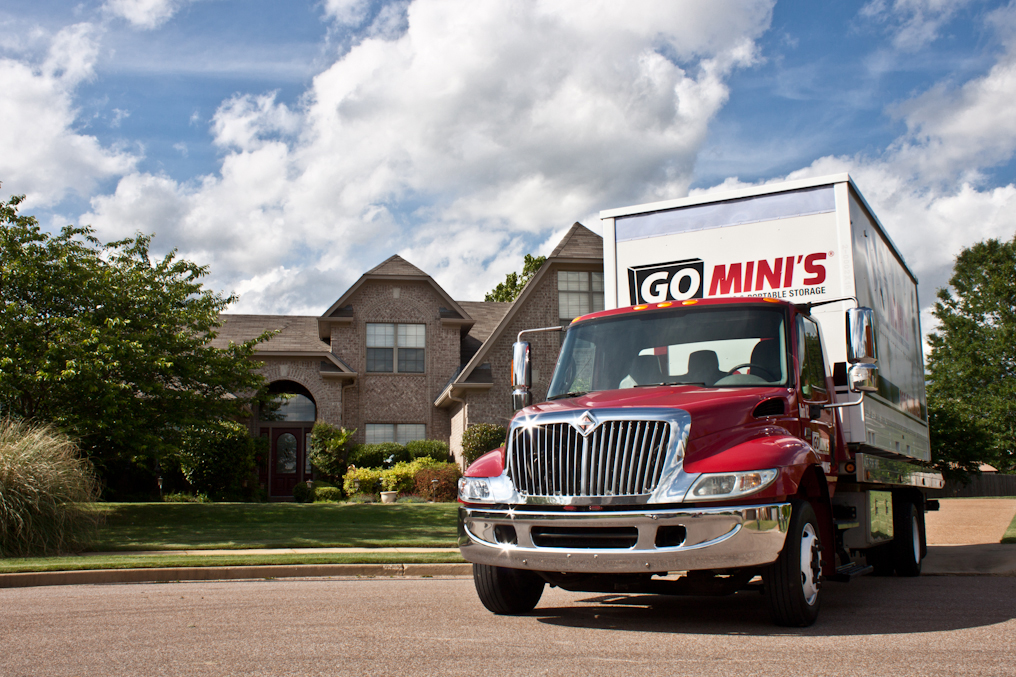
For deliveries, a standard flatbed tow truck does the job. Each container rolls on vinyl-coated polyurethane wheels and winches onto the flatbed while the contents stay put, so you won't have to invest in special rigging or hydraulic equipment. Item 7 puts transport vehicle costs at $5,250 to $160,000, and Go Mini's connects new owners with preferred vendors for trucks and equipment.
Smaller Startup Costs
The rest of the investment covers the costs that come with setting up any new business. A few of the larger items include:
- Grand Opening Advertising: $6,000
- Professional Fees: $1,000 to $5,000
- Forming an Entity: $0 to $5,000
- Insurance: $1,000 to $4,000
Working Capital
Item 7 also sets aside $15,000 to $25,000 in additional funds to cover your operating expenses during the first three months after you open.
Ongoing Fees After You Open
Once you open, Go Mini's collects two monthly fees based on gross sales. You'll pay an 8% royalty fee and a 2% national marketing fund fee, for a combined 10% of gross sales each month.
Because both fees scale with your revenue, you'll pay less during a slow month and more during a busy one. The marketing fund pays for brand-wide campaigns, and you'll still run your own local marketing inside your territory.
Who Qualifies to Own a Go Mini's
Go Mini's looks for candidates with a net worth of at least $1 million and at least $100,000 in liquid capital. Beyond the financials, the team looks for owners who've managed people or led a team and who are comfortable following a proven system instead of building their own from scratch.
You don't need moving or storage experience to qualify, because Go Mini's trains new owners on operations and container handling before they open, and the support team stays involved after launch. Go Mini's also works with owners who already run a storage business and want to add portable containers to it. You can read more about who tends to do well as an owner on our Ideal Candidate page.
How Most Owners Finance a Go Mini's
Very few owners pay for the full investment out of pocket. Go Mini's reports that a typical new franchisee finances somewhere between $500,000 and $800,000.
Go Mini's doesn't offer in-house financing, but the team connects owners with third-party lenders who already understand the business model. You can also look into Small Business Administration (SBA) loan programs, along with lending programs designed for veteran-owned and minority-owned businesses. Your Franchise Development Manager will talk through financing options with you, including SBA-approved loans and commercial financing for your containers and trucks.
💡 BEFORE YOU SIGN: Get to Know Your FDD
The Federal Trade Commission's Franchise Rule requires every franchisor to give you its FDD at least 14 calendar days before you sign an agreement or pay any money. Item 7 lists your estimated startup costs, while Items 5 and 6 cover the franchise fee and ongoing fees. The FTC's A Consumer's Guide to Buying a Franchise explains what to look for in each section.
Get the Full Numbers for Your Territory
The FDD gives you the complete financial picture, and your Franchise Development Manager will walk through it with you point by point before you sign anything. Along the way, you'll also talk with current Go Mini's owners, who can tell you what their own startup looked like and how they paid for it. You can see the full process on our Steps to Ownership guide.
Ready to see what a Go Mini's would cost in your area? Explore available territories or start the ownership process to talk with our franchise development team.
Investment figures come from Item 7 of the current Go Mini's Franchise Disclosure Document. This information is not an offer to sell a franchise. The offer of a franchise can only be made through the delivery of an FDD.

[1].2003311204590.png)